News
Newsliste
-
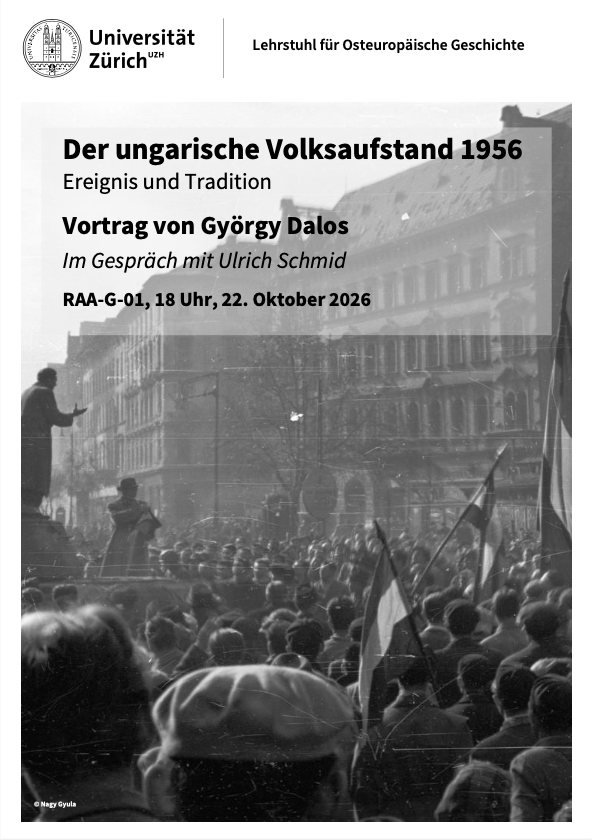
Vortrag von György Dalos
Anlässlich des 70. Jahrestags des Ungarischen Volksaufstands spricht der Zeitzeuge und Historiker György Dalos über die Ereignisse von 1956 und ihr Nachleben als historische Erfahrung und Erinnerungsort. Das Gespräch führt Prof. Dr. Ulrich Schmid (Universität St. Gallen).
-
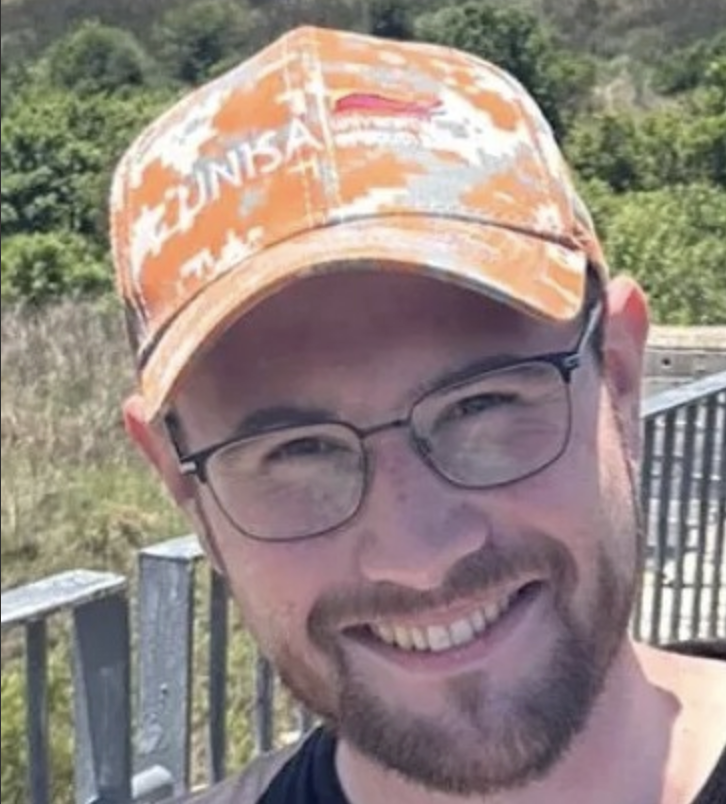
Zoltán András Juhász am Lehrstuhl für Osteuropäische Geschichte
Im Oktober freuen wir uns, Zoltán András Juhász als Fellow am Historischen Seminar der Universität Zürich begrüssen zu dürfen. Er wird am Lehrstuhl für Osteuropäische Geschichte zu Gast sein. Das Short-Term Fellowship wird von der Ungarn-Stiftung finanziert.
-
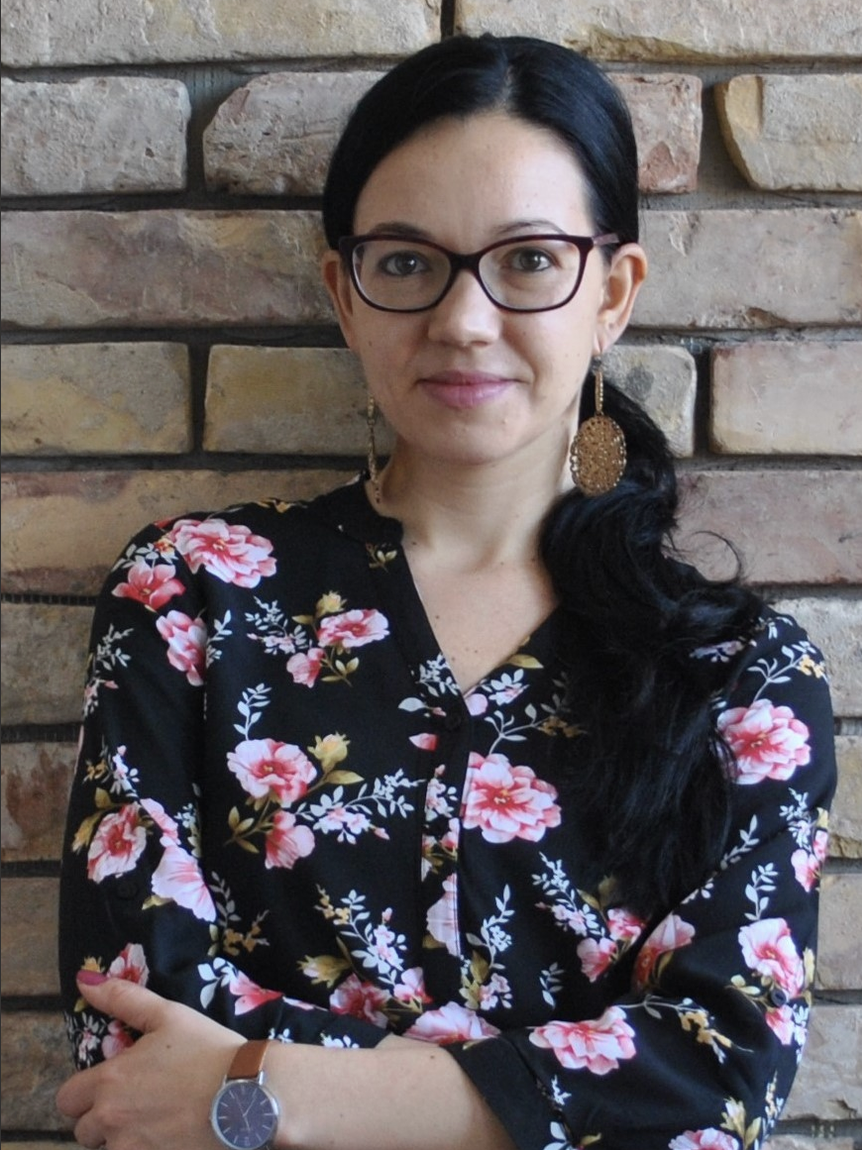
Dr. Heléna Huhák am Lehrstuhl für Osteuropäische Geschichte
Im Oktober freuen wir uns, Dr. Heléna Huhák als Fellow am Historischen Seminar der Universität Zürich begrüssen zu dürfen. Sie wird am Lehrstuhl für Osteuropäische Geschichte zu Gast sein. Das Short-Term Fellowship wird von der Ungarn-Stiftung finanziert.
-

Exkursion in die Moldau (21. − 28.06.2026)
Die diesjährige Lehrstuhlexkursion, die in das von Daniel Ursprung geleitete Seminar «Imperien, Ideologien, Identitäten. Moldau. Geschichte und Gegenwart an Europas Bruchlinien» eingebettet war, führte Studierende gemeinsam mit dem Lehrstuhlteam in die Republik Moldau. Ziel der Exkursion war es, die im Seminar behandelten Themen zu vertiefen und zentrale Fragestellungen zu Identitäten, imperialen Erben, politischer Landschaft sowie zur Geschichte Moldaus und seiner Bevölkerung vor Ort zu erschliessen.
-
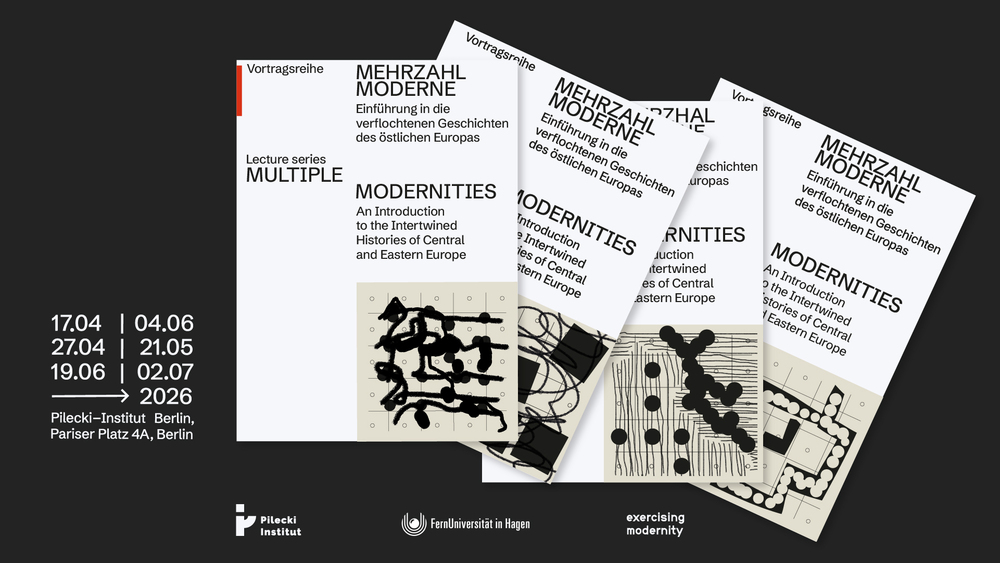
Mehrzahl Moderne: Veranstaltungsreihe am Pilecki Institut Berlin
Am 2. Juli 2026 findet im Pilecki-Institut Berlin der Abschluss der Reihe „Mehrzahl Moderne“ statt.
Prof. Dr. Botakoz Kassymbekova diskutiert gemeinsam mit Karl Schlögel und Felix Ackermann, wie die verflochtenen Geschichten Polens, der Ukraine und von Belarus künftig an deutschsprachigen Universitäten erforscht werden können.
-
Call for Application for Short-Term Fellowships
The Chair of Eastern European History at the Department of History, University of Zurich, invites applications for a short-term fellowship for early career scholars working on modern and contemporary Hungarian history. The fellowship is open to doctoral students and postdoctoral researchers associated with a university in Hungary and who are based in Hungary. Successful applicants will be invited to spend one to two months in Zurich during the fall semester 2026 (mid-September through mid-December) 2026. During their stay, fellows will have the opportunity to: pursue their research project in an international academic environment, participate in seminars and public events at the University of Zurich, engage with scholars at the Chair of Eastern European History and beyond, discuss their research.
The fellowship is funded by Stiftung zur Förderung der ungarischen Geschichte, Kultur und Sprache (https://ungarnstiftung.org) and supported by the University of Zurich. Its aim is to strengthen knowledge of Hungarian history and to foster academic exchange and institutional ties between Switzerland and Hungary. Funding includes a stipend in sum of CHF 3,500 per month, reimbursement of second-class train travel to and from Zurich and workspace at the Department of History.
Applicants are asked to submit the following documents in one single PDF file: a letter of motivation, a CV, a one-page description of the proposed research project. Applicants are also kindly requested to indicate their preferred month(s) of stay in Zurich.
Please send your application by 15 June 2026 to oeg@hist.uzh.ch (also for queries regarding the fellowship and stay in Zurich).
-
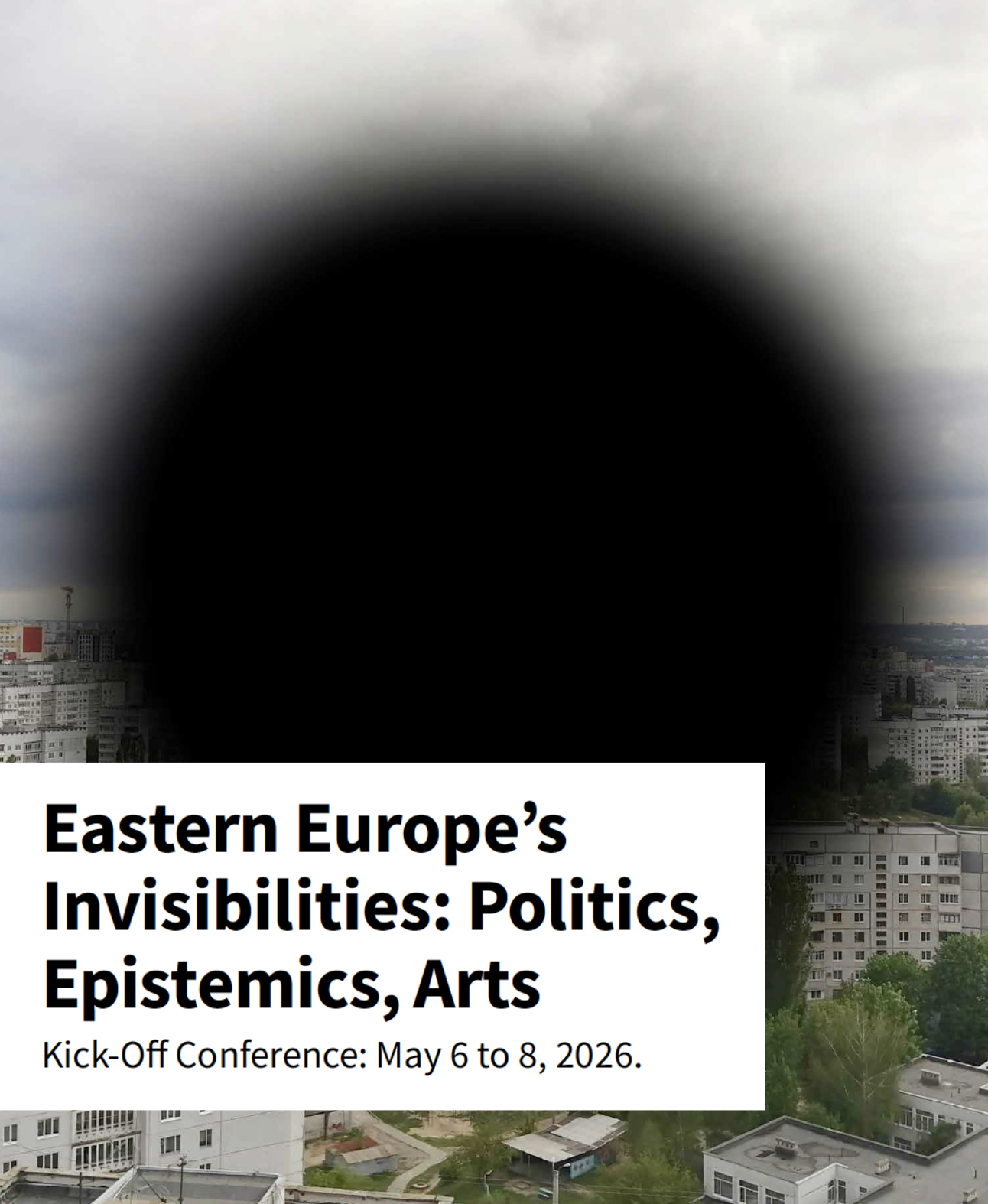
“Eastern Europe’s Invisibilities: Epistemics, Politics, Arts”
Inaugural conference of the Institute for Slavic and East European Studies (ISOS) at the University of Zurich, 6–8 May 2026
The University of Zurich established the Institute for Slavic and East European Studies (ISOS) in January 2026 to strengthen interdisciplinary research on Eastern Europe. This new interdisciplinary institute specialises in the analysis of contemporary historical, cultural, social, linguistic and political developments in Eastern, South-Eastern and Central Eastern Europe, the Caucasus and Central Asia.
The official opening of ISOS was celebrated with the international conference ‘Eastern Europe’s Invisibilities: Politics, Epistemics, Arts’ in May 2026. -
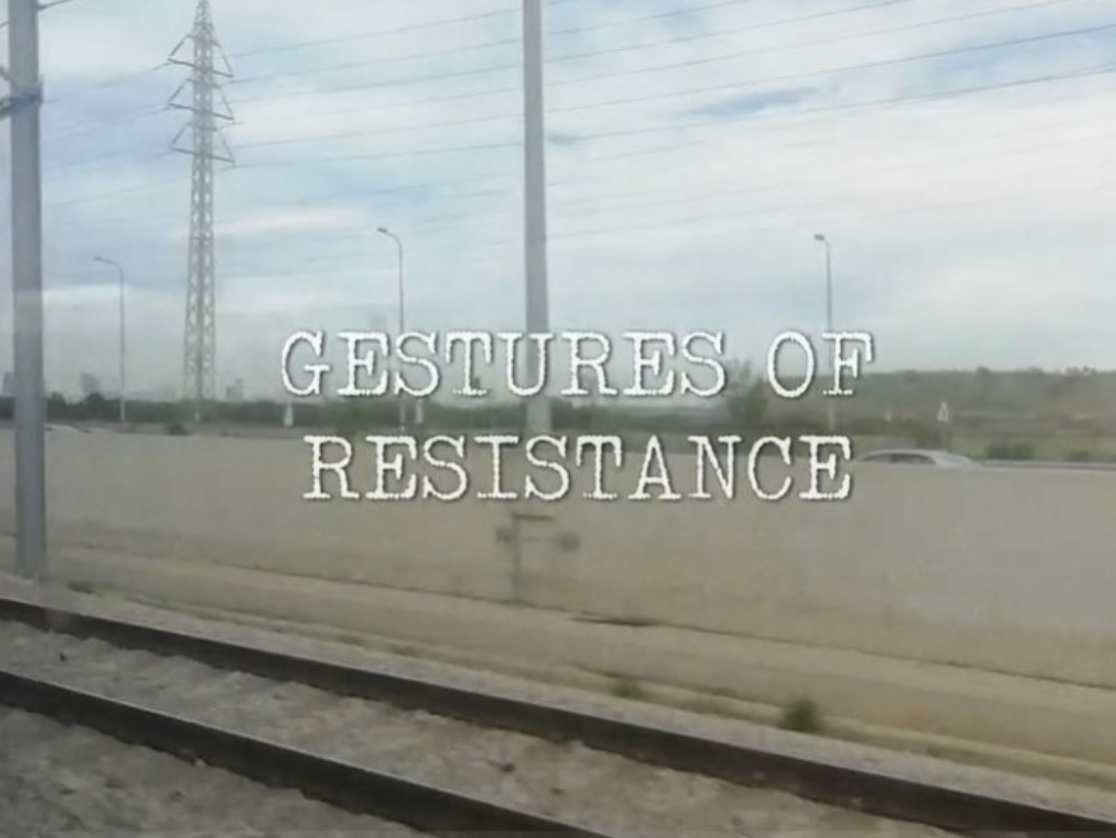
Gestures of Resistance: Screening and Discussion
Gestures of Resistance connects the voices of some of the last Holocaust survivors from Romania, the Czech Republic, and Slovakia with images of contemporary protest and lived solidarity. The film depicts antifascist resistance in all its forms—armed, civilian, artistic—and explores the meaning of these stories today. In light of resurgent right-wing movements gaining power, resistance is not only remembered but understood as an urgent task of the present.
-
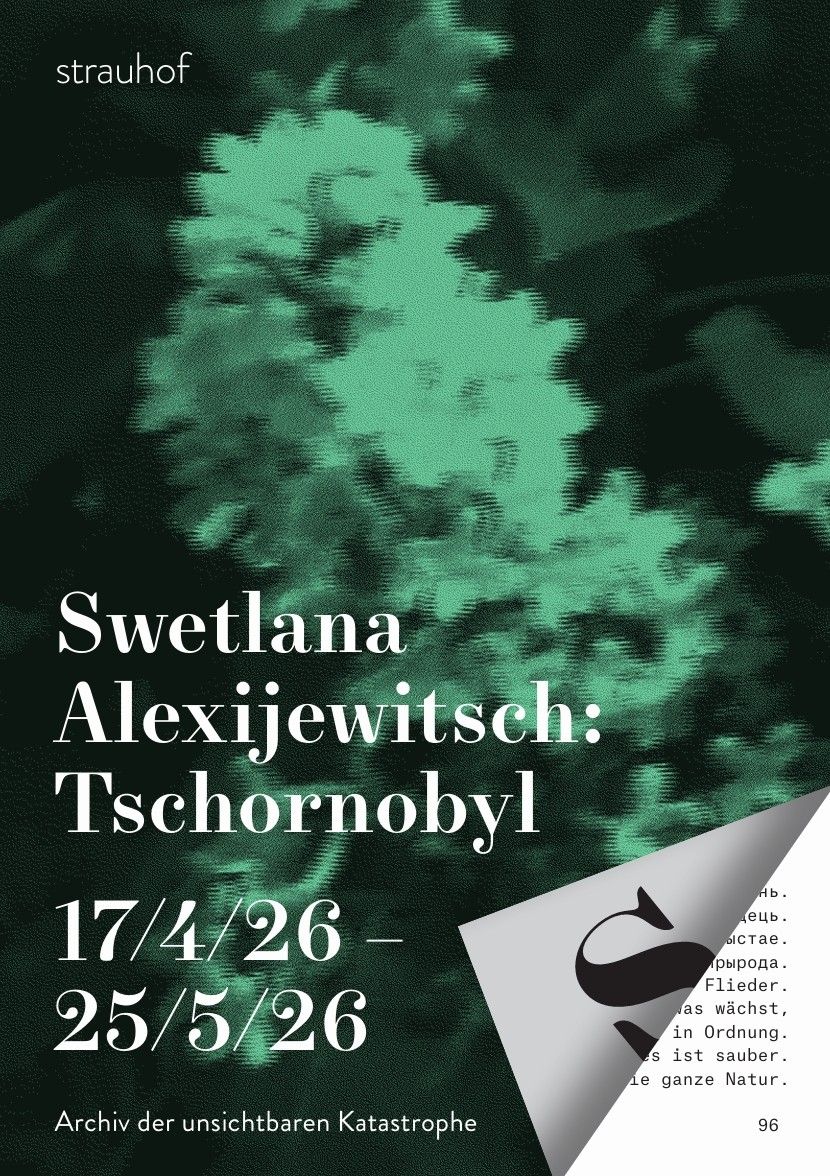
Swetlana Alexijewitsch: Tschornobyl – 17. April – 25. Mai
– Archiv der unsichtbaren Katastrophe –
Am 26. April 1986 ereignet sich die Reaktor-Katastrophe von Tschornobyl (russ. Tschernobyl): Während Geigerzähler weltweit ausschlagen, schweigt die Sowjet-Presse, mit schwerwiegenden Folgen für die Bevölkerung. Jahre später bereist die Autorin Swetlana Alexijewitsch die Gegend und zeichnet die Erzählungen vieler Betroffener auf, die in das Buch «Tschernobyl. Eine Chronik der Zukunft» einfliessen. Die Ausstellung zeigt erstmals Materialien aus dem umfassenden Video-Archiv zur unsichtbaren Katastrophe.
Die belarusische Schriftstellerin Swetlana Alexijewitsch wird 1948 in Stanislaw in der Ukrainischen Sozialistischen Sowjetrepublik geboren. Sie schreibt Romane, Kurzgeschichten, Essays und Reportagen. «Für ihr vielstimmiges Werk, das dem Leiden und Mut in unserer Zeit ein Denkmal setzt», erhält Alexijewitsch 2015 den Literatur Preis. Seit 2020 lebt Alexijewitsch im Berliner Exil.
«Černobyl’skaja molitva» erscheint 1997. «Tschernobyl-Gebet» folgt in deutscher Übersetzung von Ingeborg Kolinko 1997 im Berlin-Verlag, nach mehreren Versionen erscheint 2019 «Tschernobyl. Eine Chronik der Zukunft» im Suhrkamp-Verlag in Übersetzung von Ingeborg Kolinko und Ganna-Maria Braungardt.
-
Colloquium: Eastern Europe’s Invisibilities
University of Zurich / ISOS - Institut of Slavic and Eastern European Studies
Tuesdays, 4-6 pm, PLG-2-211 (Plattenstrasse 43)
Program flyer
24.3. 16:00 Uhr: Željana Tunić (Martin-Luther-Universität Halle-Wittenberg)
Konkurrierende Politiken der Solidarität. Zur Aneignung Patrice Lumumbas als antikoloniale Ikone in der Sowjetunion und Jugoslawien
14.4. 16:00 Uhr: Ulyana Veryna (University of Oldenburg)
Architecture of Invisibility: Polish-language Soviet Literature as an Empty Reservation
28.4. 16:00 Uhr: Katarzyna Kubin (University of Warsaw)
Shame and Invisibility in Coloniality: Reading Black Writing from Poland for Visions of Solidarities at the Intersections of the “posts-”
19.5. 16:00 Uhr: Alexandra Portmann & Duška Rasavljević (Universität Bern)
Between Invisibility and Hypervisibility: Yugoslav Theatre Workers in Western European Cultural Contexts -
.jpg)
Workshop zu Oral-History in Bukarest - 4. bis 6. Februar 2026
Am Lehrstuhl für Osteuropäische Geschichte entsteht derzeit ein Oral History Archiv. In diesem Zusammenhang organisierte das Projektteam von Prof. Dr. Botakoz Kassymbekova – bestehend aus Anna Fersztand, Dr. Sandra King-Savić, Amina Smajlović und Dr. Daniel Ursprung – den Workshop «Voices of the Past: Empowering Communities Through Oral History».
Der Workshop fand in Kooperation mit dem New Europe College in Bukarest vom 4. bis 6. Februar 2026 statt. Im Mittelpunkt stand der wissenschaftliche Umgang mit Trauma im Kontext von Oral History in Osteuropa. Ziel war es, die Erfahrungen marginalisierter Personen sichtbar zu machen, bislang unterdrückte Narrative für die Forschung zu erschließen und die langfristigen Folgen von Traumatisierungen analytisch zu reflektieren.
Als Gäste konnten mit Hasan Hasanović (Srebrenica Memorial Center) und Prof. Dr. Andreas Maercker (UZH) zwei international ausgewiesene Experten auf diesem Gebiet gewonnen werden. Der Workshop wurde ermöglicht dank der Förderung des Center for Governance and Culture in Europe (GCE-HSG) der Universität St.Gallen. Herzlichen Dank!
-

Summer School in Yerevan - June 28 - July 9, 2026
Past, Present and Future in the South Caucasus & Former Soviet Area:
Legacies and Decolonialization in Contemporary Culture and PoliticsImportant: Up to 5 students from the University of Zurich can participate in this summer school in Armenia; travel and accommodation are funded.
The call for applications with all relevant details can be found here.
-
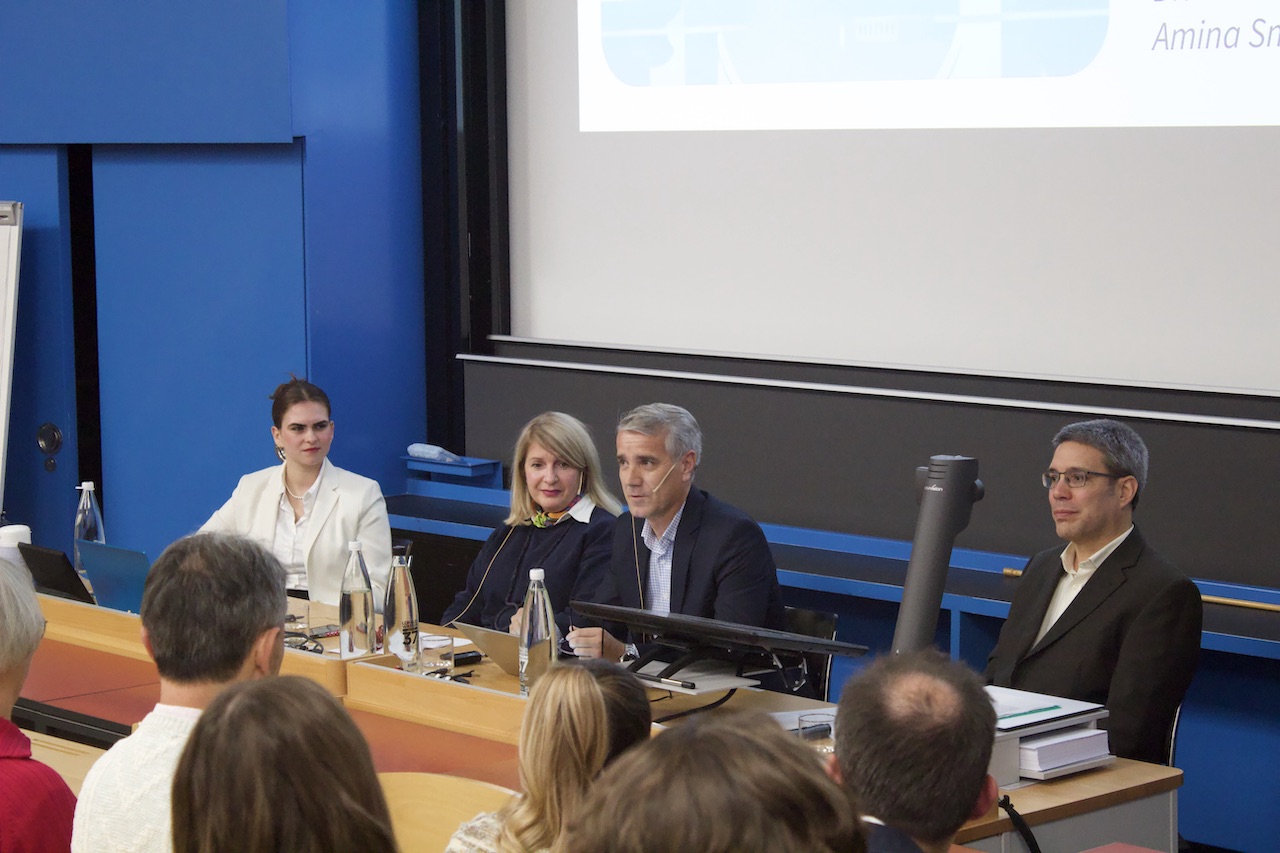
Veranstaltung Bosnien - 30 Jahre nach Dayton
Anlässlich des 30-jährigen Bestehens des Dayton-Abkommens, das 1995 den Bosnienkrieg beendete, organisierte der Lehrstuhl für Osteuropäische Geschichte am 19. November um 18:15 Uhr eine Abendveranstaltung mit anschliessender Diskussion.
Als Referierende waren die Historikerin Dr. Armina Galijaš (Universität Graz) sowie der Zeitzeuge, Abgeordneter und Menschenrechtsengagierter Mirsad Duratović (Prijedor) eingeladen. Den Auftakt bildete ein Impulsvortrag von Armina Galijaš, in dem sie der Frage nachging, wie der Krieg in Bosnien-Herzegowina beendet wurde und welche politischen Prozesse zum Friedensschluss führten.
Im Anschluss berichtete Mirsad Duratović über die Bemühungen und Herausforderungen im Friedenskonsolidierungs- und Aufarbeitungsprozess in Bosnien-Herzegowina. Dabei thematisierte er insbesondere den Umgang mit der Kriegsvergangenheit, gesellschaftliche Initiativen sowie die anhaltenden politischen und sozialen Herausforderungen im Land.
Den Abschluss der Veranstaltung bildete eine Diskussionsrunde, die auch für Fragen und Beiträge aus dem Publikum geöffnet war.
Die Veranstaltung wurde moderiert von Amina Smajlović und Dr. Daniel Ursprung (Lehrstuhl für Osteuropäische Geschichte).
-

Europäische Perspektiven - Ukraine, Republik Moldau und Georgien
Podiumsdiskussion mit Ljudmyla Melnyk, Andrei Avram, Zaal Andronikashvili
Moderation: Botakoz Kassymbekova
Donnerstag, 20. März 2025 / 18:15–19:45 / Universität Zürich / Hauptgebäude KO2-F-150
Flyer mit Abstract -

Doing and Undoing Russian Colonialism
Lecture Series
Thursday 27.02. / 13.03. / 03.04. / 17.04. / 15.05.
12:15–14:00 / Uni Zentrum / Room KO2-F-150